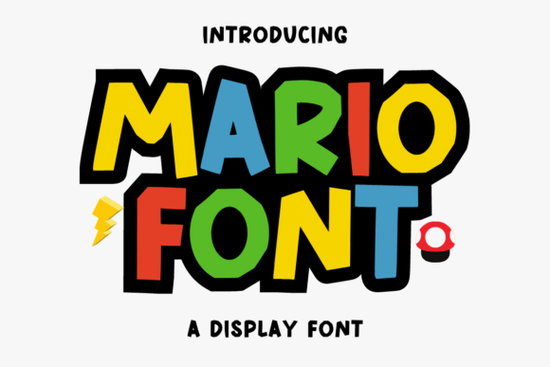
Finding the right typography for playful projects can be tricky. You want something that stands out without looking messy or hard to read. The Mario Font is a cool, bold, and fun display typeface that fits this need perfectly. It works well for children's items, apparel, and quotes where personality matters. When you are designing for print-on-demand or crafting, the weight of the letters ensures visibility even from a distance. This makes it a reliable choice for anyone looking to add confidence to their favorite creations.
What makes a display font suitable for apparel?
When designing t-shirts or hoodies, readability is key. A font that is too thin might disappear on dark fabric, while one that is too complex can look cluttered when printed. Bold display types solve this by offering thick strokes that hold up well during the printing process. If you are looking for athletic lettering styles, you might explore this collection of sports varsity fonts. These types often share the same high-impact characteristics needed for wearable designs.
For children's clothing, the vibe should be energetic but friendly. Heavy weights suggest strength, but rounded edges keep it approachable. This balance is why many creators choose this specific style for youth markets. It captures attention without feeling aggressive. Whether you are making a quote for a nursery wall or a slogan for a summer camp shirt, the structure of the letters supports clear communication.
How do you pair bold typography with other elements?
Using a heavy display typeface means you need to consider what goes around it. If every element on your design is bold, nothing stands out. Try pairing these thick letters with simpler sans-serif fonts for body text or secondary details. This creates a hierarchy that guides the viewer's eye. For designs that need a bit more edge, you might look into urban graffiti textures to complement the main headline.
Contrast is also important regarding color. A bold font allows you to experiment with gradients or patterns inside the letters themselves. However, solid colors often work best for clarity. If you want something softer to balance the weight, consider softer rounded options for subheadings. This combination keeps the design fun while maintaining professional standards. Always test your combinations on a mockup before finalizing the file for production.
Are there licensing considerations for small businesses?
Before selling products with any typography, you must check the license. Most fonts on creative marketplaces come with personal and commercial options. If you plan to sell physical end products like shirts or mugs, a standard commercial license usually covers this. However, if you intend to sell the font file itself or use it in a logo for a client, you may need an upgraded agreement.
Small businesses should always keep records of their purchases. This protects you if a platform questions your rights to use a specific design. Reading the terms carefully saves time and prevents potential issues down the road. For those interested in classic display faces, the licensing terms are often similar, but verification is always necessary. Never assume a free download includes commercial rights without checking the documentation provided by the creator.
Where can I find similar styles?
If you enjoy this specific look but want to see more variations, browsing category pages can help. You can browse this specific category to find related items that match the same aesthetic. Sometimes, slight variations in curvature or weight make a big difference for a specific project. Having a library of similar fonts allows you to switch things up without changing your brand's overall feel.
Experimenting with different files helps you grow as a designer. You might find that a slightly narrower version works better for vertical spaces, while a wider version suits horizontal banners. Keep your organized files ready so you can access the right tool when inspiration strikes. Consistency in your typography choices helps build recognition for your shop or portfolio over time.
Quick Checklist for Using Display Fonts
- Check Licensing: Ensure your license covers commercial use for physical products.
- Test Readability: Print a sample to see how the bold strokes look on actual material.
- Pair Wisely: Use simpler fonts for secondary text to avoid visual clutter.
- Verify Formats: Make sure you have the right file types (OTF, TTF, or SVG) for your software.
- Keep Records: Save your purchase receipts and license files in a dedicated folder.
Taking these steps ensures your projects look professional and stay compliant. Whether you are a hobbyist making gifts or a seller building a brand, the right tools make the process smoother. Start by downloading the files and testing them in your preferred design software today.
Explore Design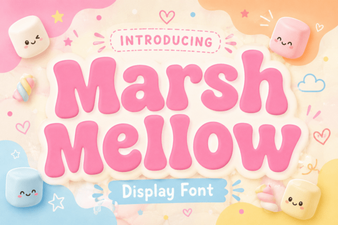 Get Creative with the Marshmellow Font
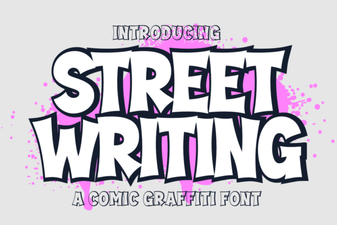 Modern Street Writing Fonts for Design Projects
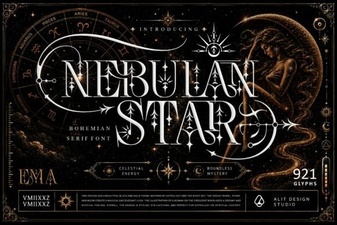 Nebulan Star: a Galactic Font for Creative Projects
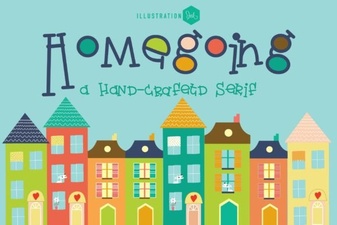 Homegoing Font: Design Legacy and Creative Uses
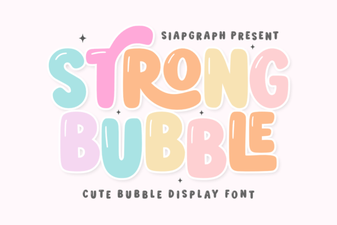 Bubble Font Design: Strong, Playful Typography Ideas
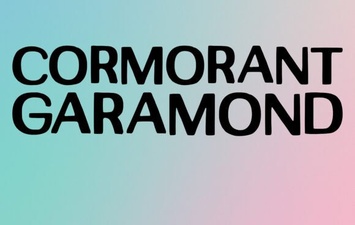 Cormorant Garamond: a Design Typeface for Projects