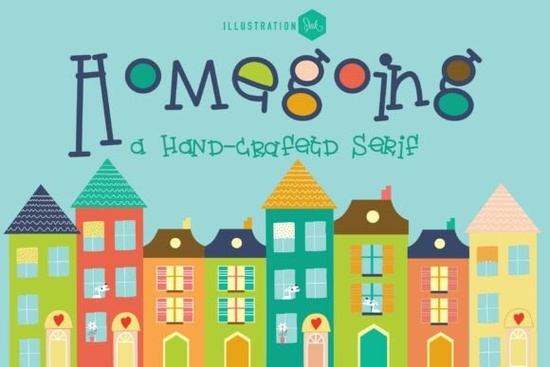
Choosing the right typography can define the entire personality of a creative project. If you are looking for something that feels nostalgic yet fresh, the Homegoing Font offers a unique solution. This typeface is designed to bring a storybook warmth to your work, making it ideal for designers who want to evoke feelings of comfort and whimsy. Unlike standard sans-serif options, this display font incorporates playful details that catch the eye without sacrificing readability.
Many creatives struggle to find a font that balances professional branding with a handmade aesthetic. This specific typeface bridges that gap by combining mid-century illustration styles with modern indie branding needs. Whether you are creating a logo for a family bakery or designing wallpaper for a child's room, the unique character shapes provide an instant emotional connection. The tall, mixed-case letterforms stand out clearly, ensuring your message is seen even from a distance.
What design details make this typeface unique?
The visual appeal of this font lies in its specific geometric quirks. Each letter features solid, mismatched color fills that mimic the look of hand-painted signage. You will notice uneven slab-serif bars that add a human touch, preventing the text from looking too rigid or digital. One of the most charming features is the inclusion of teapot-style handles and lids on round characters. These small details transform standard letters into imaginative illustrations.
When working with display typography, it is important to understand how these details impact usage. Because of the intricate shapes, this font works best for headlines and short phrases rather than long body text. The whimsical nature draws attention immediately, making it perfect for social media graphics where stopping the scroll is essential. If you prefer cleaner lines, you might explore bold bubble shapes instead, but for character-driven designs, this option excels.
How does it compare to other display styles?
Understanding where this font fits within the broader landscape of typography helps in selecting the right tool for the job. While some projects require the aggressive look of urban street writing, others need something softer. This typeface leans into nostalgia rather than edge. It shares some DNA with varsity-style lettering in terms of boldness, but swaps the athletic vibe for a cozy, community-focused feel.
For designers exploring thematic options, comparing this to other specialized sets can be helpful. For instance, if you are working on a project requiring celestial or fantasy elements, you might look at themed typefaces like Nebulan. However, for grounded, earthly projects like real estate branding or local event posters, the warmth of this specific font is more appropriate. You can also browse this collection to see similar variations that maintain that playful spirit.
Where does this font work best in real projects?
Practical application is key when investing in new design assets. This typeface shines in industries that rely on trust and approachability. Independent real estate groups often use it to signal a friendly, neighborhood-focused identity rather than a cold corporate image. Custom kids' room wallpaper benefits from the storybook quality, turning walls into interactive scenes. Boutique family bakeries can use it on packaging to suggest handmade quality and care.
High-impact social media headlines also benefit from the distinct shapes. When scrolling through a feed, users pause on visuals that break the pattern of standard digital fonts. The uneven bars and colorful fills create enough contrast to grab attention. Community event posters, such as those for farmers markets or school fairs, gain a welcoming tone that encourages participation.
- Logo Design: Ideal for businesses wanting a friendly, non-corporate look.
- Print on Demand: Works well on t-shirts, mugs, and tote bags for niche markets.
- Web Headers: Use for H1 tags on landing pages to set a playful mood.
- Packaging: Great for labels on jams, cookies, or handmade soaps.
How should you pair this with other elements?
To get the most out of this typeface, pairing it with complementary design elements is crucial. Since the letters are busy with details like handles and lids, keep the background simple. Solid colors or subtle textures work better than complex patterns that might compete with the text. A clean sans-serif font for body copy ensures that the information remains easy to read while the display font handles the emotional heavy lifting.
Color choices should reflect the mid-century inspiration. Think mustard yellows, teal blues, and warm oranges. These hues enhance the nostalgic feel of the mismatched geometric fills. Avoid neon or overly saturated modern palettes, as they can clash with the vintage aesthetic built into the letterforms. Consistency in color application across your brand materials will help reinforce the identity you are building.
What technical formats are usually available?
Most professional font downloads include multiple file formats to ensure compatibility across different software. You can typically expect OpenType (OTF) and TrueType (TTF) files, which work in Adobe Creative Cloud, Canva, and Microsoft Office. Webfont versions are also common, allowing you to embed the typography directly into websites without slowing down load times. Always check the license agreement to confirm usage rights for commercial projects, especially if you are selling physical goods.
Installing the font is straightforward on both Windows and Mac systems. Once installed, it will appear in your font menu under its specific name. Remember that display fonts often include special glyphs or alternate characters. Access these through your design software's glyph panel to utilize the teapot handles or alternate color fills effectively.
Practical checklist for using display fonts
Before finalizing your design, run through a quick quality check to ensure the typography serves its purpose. Display fonts are powerful tools, but they require careful handling to maintain professionalism.
- Check readability at different sizes to ensure details don't blur.
- Test contrast against your chosen background colors.
- Verify licensing for commercial use if selling products.
- Pair with a simple body font to balance the design.
- Use special glyphs to add unique character to headlines.
Starting with a clear plan for your typography helps streamline the creative process. By choosing a font that aligns with your brand's emotional goals, you create a stronger connection with your audience. Whether you are designing for print or digital media, the right typeface does the heavy lifting for you.
Get Started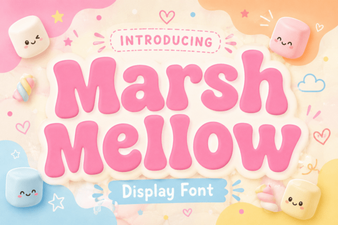 Get Creative with the Marshmellow Font
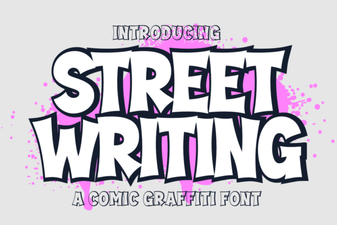 Modern Street Writing Fonts for Design Projects
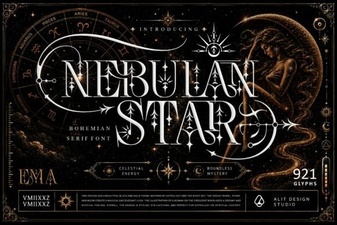 Nebulan Star: a Galactic Font for Creative Projects
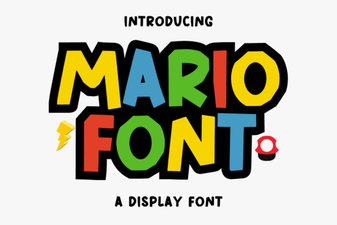 Get Creative with Mario Font Styles & Design Tips
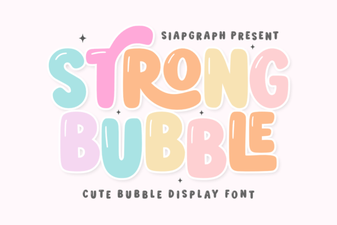 Bubble Font Design: Strong, Playful Typography Ideas
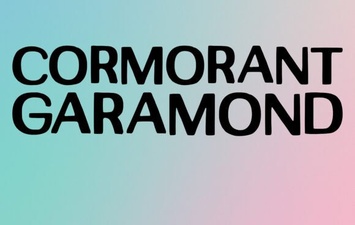 Cormorant Garamond: a Design Typeface for Projects