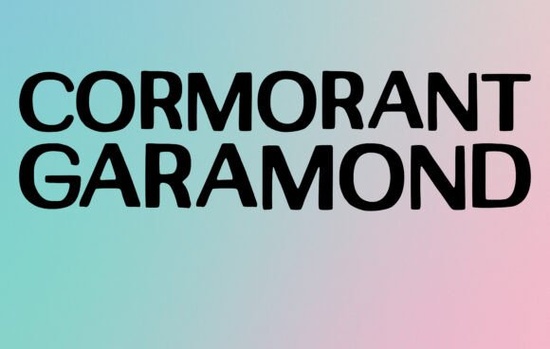
Choosing the right typography can make or break a design project. If you are looking for a typeface that balances elegance with readability, the Cormorant Garamond Font is a strong contender. This font is designed to be a true favorite and it has the potential to take your creative ideas to the highest level. Whether you are creating wedding invitations, branding materials, or social media graphics, having a versatile serif in your toolkit is essential. It looks great as a title or body text, giving you flexibility across different mediums.
Many designers struggle to find a font that feels luxurious without sacrificing legibility. This typeface solves that problem by offering sharp serifs and open counters that remain clear even at smaller sizes. It is not just about aesthetics; it is about communication. When your audience can read your message easily, they are more likely to engage with your content. This is why so many professionals keep a reliable serif close at hand for their most important projects.
Why choose this font for professional projects?
Professional branding requires consistency and tone. A serif typeface often conveys trust, tradition, and sophistication. When you use this classic serif style, you signal to your customers that you pay attention to detail. It works particularly well for businesses in the beauty, fashion, or legal sectors where authority and style matter.
For print-on-demand sellers, typography is the main product. T-shirts and mugs featuring elegant text often sell better than those with cluttered designs. This font allows you to create minimalist designs that still feel premium. You can pair it with simple icons or use it on its own for a typographic poster look. The versatility means you can create multiple products from a single license, maximizing your return on investment.
What kinds of designs work best with serif typefaces?
While serifs are great for formal work, they also shine in editorial design. Magazine headlines benefit from the high contrast strokes found in this family. It draws the eye immediately to the main story. If you are layout out a lookbook or a digital magazine, this typeface provides the structure needed to organize content cleanly.
However, sometimes you might want something with a bit more sparkle for specific campaigns. If you are working on a project that needs a celestial or magical vibe, you might explore stellar display options instead. Comparing different styles helps you understand where each font fits best. While the Garamond style grounds your design, other display fonts can add the necessary flair for seasonal promotions or event-specific graphics.
How does it compare to more playful styles?
Not every project requires a serious tone. Children's products, party invitations, and casual apparel often need something softer. If you are designing for a younger audience, a rounded typeface might be more appropriate. For example, softer, rounded alternatives can convey warmth and friendliness that a sharp serif cannot.
Similarly, if you are aiming for a vintage or nostalgic feel, there are specific fonts built for that purpose. nostalgic designs often rely on specific character shapes that remind people of the past. On the other hand, if you need something loud and energetic, bold, bubbly text might be the better choice for headlines that need to pop off the screen. Knowing when to switch from a professional serif to a playful display font is a key skill for any creative.
Is it readable for longer text?
Legibility is the most critical factor for body text. Some decorative fonts look beautiful in a headline but become exhausting to read in a paragraph. This font family maintains its structure even when used for longer passages. The spacing between letters is well-balanced, preventing the text from looking too tight or too loose.
For those interested in the history behind this style, you can read more about the Cormorant Garamond Font origins to understand its typographic roots. Understanding the history of type can help you use it more effectively. When you know why a font looks the way it does, you can pair it with better complementary elements. It ensures your design choices are intentional rather than accidental.
Quick Checklist for Using Serifs
Before you finalize your next design, run through these simple steps to ensure your typography is working hard for you:
- Check Contrast: Ensure the text stands out clearly against the background color.
- Test Sizes: View your design on both mobile and desktop to confirm readability.
- Pair Wisely: Combine this serif with a simple sans-serif for body copy if needed.
- Verify Licensing: Always check the license terms for commercial use on print-on-demand items.
- Limit Weights: Stick to two or three font weights per project to maintain visual harmony.
Starting with a reliable typeface gives you a solid foundation. From there, you can experiment with colors, layouts, and additional graphics. The goal is to make your message clear while keeping the viewer interested. With the right tools, your creative workflow becomes smoother and more productive.
Learn More Get Creative with the Marshmellow Font
 Modern Street Writing Fonts for Design Projects
 Nebulan Star: a Galactic Font for Creative Projects
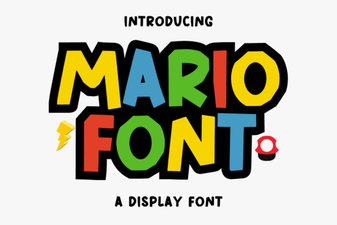 Get Creative with Mario Font Styles & Design Tips
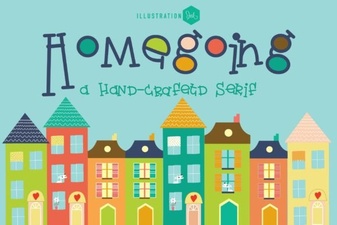 Homegoing Font: Design Legacy and Creative Uses
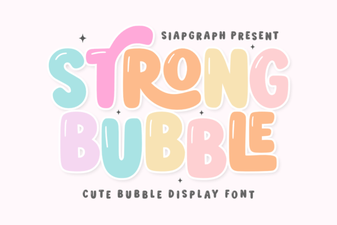 Bubble Font Design: Strong, Playful Typography Ideas