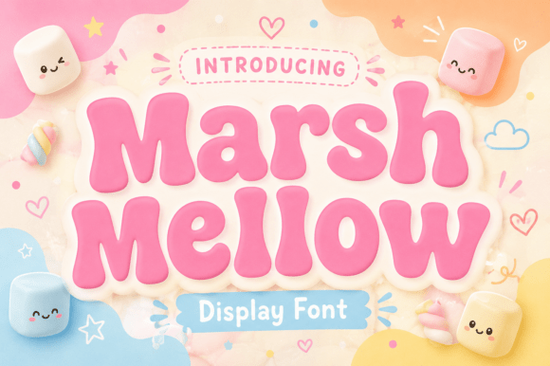
If you are looking for a typeface that brings back the warm, vibrant feel of the 1970s, Marshmellow is a solid choice. This display font captures a specific era brimming with joy and nostalgia. It features thick-set, pillowy characters that feel soft to the eye, making it perfect for projects that need a friendly touch. Whether you are designing a logo for a bakery or creating graphics for social media, the easy-going ambiance of this font helps set a merry tone without trying too hard.
Designers often struggle to find letters that feel retro without looking outdated. The key here is the curvy outline and significant depth of the characters. These elements reflect the sugary delight implied by the name. When you use this style, you aren't just picking letters; you are choosing a mood. It works well for brand identities that want to appear approachable and fun. The soft-edged structure ensures that even bold statements feel inviting rather than aggressive.
What makes this font stand out for retro projects?
The primary appeal lies in its ability to evoke the hip, unique energy of the past while remaining usable in modern contexts. Many retro fonts can be hard to read or too stylized for practical use. However, the affable structure here keeps legibility high. It sparkles in uses ranging from eclectic packaging designs to playful merchandising. If you have ever tried to use thick, bubble-style letters for a project, you know how important weight is. This typeface manages that weight carefully, ensuring the characters don't clash when placed next to each other.
Furthermore, the design imbues any artful project with a rejuvenating sense of humor. It suggests that the brand behind the design doesn't take itself too seriously. This is crucial for businesses targeting families or lifestyle markets. The bygone charm helps differentiate your work from the clean, minimalist sans-serifs that dominate many industries today. It adds personality where generic fonts often fail to connect emotionally with the viewer.
Where does this typeface work best?
You will find the most success using this font for engaging logos and dynamic social media graphics. It is particularly effective on clothing designs where text needs to stand out against fabric. For example, a t-shirt featuring a quote in this style immediately signals a casual, fun vibe. It is also suitable for video game inspired letters or any context where playfulness is key. The depth of the characters means they remain visible even when printed on textured materials.
Packaging is another strong use case. Imagine a jar of honey or a box of cookies; the label needs to suggest taste and comfort. The soothing outlines reflect that sugary delight perfectly. When designing for children's products, you might also consider nostalgic options for children to see how this style compares. The goal is to make the product feel safe and enjoyable. This font achieves that through its rounded edges and consistent stroke width.
How do you pair it with other styles?
While display fonts are great for headlines, you often need something simpler for body text. Pairing a chunky header with a clean serif can create a balanced layout. For instance, you might use elegant serif partners for the detailed information below your main headline. This contrast helps guide the reader's eye. The heavy weight of the header grabs attention, while the lighter body text ensures readability for longer descriptions.
Avoid pairing it with another heavy display font, as this can make the design feel cluttered. You want the main title to sing while the supporting text hums quietly in the background. If you are exploring unique display typefaces for other parts of your project, ensure they do not compete for attention. Consistency is key in branding. Stick to one primary display font for your main identity elements to maintain a cohesive look across all your materials.
Is it suitable for commercial use?
Most fonts found on creative marketplaces come with specific licenses for personal and commercial projects. Always check the license file included with your download. If you plan to sell items like t-shirts or mugs featuring this text, you need to ensure your license covers end-product sales. This is standard practice for small businesses and print-on-demand sellers. Protecting your work starts with respecting the creator's terms.
Once you have the right license, you can integrate this font into your client work confidently. It adds value to your designs by offering a specific aesthetic that clients often request but cannot find in standard system libraries. Having a unique library of assets helps you deliver better results faster. It allows you to focus on layout and color theory rather than worrying about typography limitations.
Quick Design Checklist
- Check Legibility: Ensure the text is readable at smaller sizes before finalizing.
- Contrast Colors: Use high-contrast colors to make the pillowy characters pop.
- License Verification: Confirm your commercial rights before selling merchandise.
- Pair Wisely: Combine with simple body fonts to avoid visual clutter.
- Test on Mockups: View your design on actual product mockups to gauge real-world impact.
By following these steps, you can maximize the potential of this retro-style tool. It offers a specific charm that is hard to replicate with standard typography. Take your time to experiment with spacing and color to find the perfect combination for your next project.
Try It Free Modern Street Writing Fonts for Design Projects
 Nebulan Star: a Galactic Font for Creative Projects
 Get Creative with Mario Font Styles & Design Tips
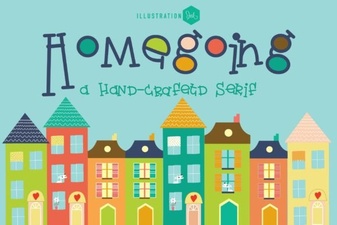 Homegoing Font: Design Legacy and Creative Uses
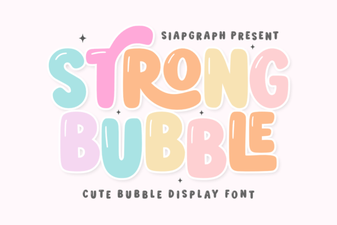 Bubble Font Design: Strong, Playful Typography Ideas
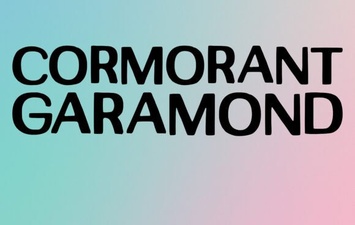 Cormorant Garamond: a Design Typeface for Projects