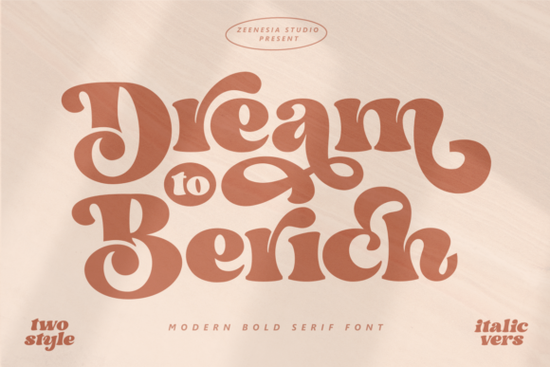
Choosing the right typography can make or break a design project. For those working on branding, invitations, or personal crafts, the Dream to Berich Font Font offers a stylish solution. It is a trendy serif option that fits well into various creative workflows. Many designers look for typefaces that feel modern yet retain a classic edge, and this option delivers that balance without requiring advanced technical skills to implement.
One of the most common frustrations for crafters is dealing with special characters. This typeface is PUA encoded. This means you can access all of the glyphs and swashes with ease without needing complex software tricks. If you use cutting machines like Cricut or Silhouette, this feature saves significant time. You do not need to hunt through separate files to find the right alternates. Everything is accessible directly from the character map in your design software.
What makes this font easy to use for beginners?
When you download a new typeface, installation and access should be straightforward. The PUA encoding ensures that decorative elements are treated as standard characters. This reduces the learning curve for hobbyists who may not be professional graphic designers. You can simply type a specific key to reveal a swash or a ligature. This consistency helps maintain a uniform look across your projects, whether you are designing a logo or creating a wedding invitation suite.
Furthermore, the file formats included are typically compatible with major operating systems. Whether you are on Windows or Mac, the installation process remains similar. Once installed, the font appears in your standard font list. This accessibility allows you to start creating immediately. For those who manage multiple client projects, having reliable tools reduces stress and improves turnaround time.
Where can you use this serif style effectively?
Serif fonts often convey trust and elegance. This makes them suitable for high-end branding or formal events. You might consider using this style for boutique logos where sophistication is key. It also works well for print-on-demand products like tote bags or mugs that target a mature audience. The strokes are distinct enough to remain legible even when scaled down for smaller items.
If you enjoy the weight of this typeface, you might also explore options like the Ronsa font for similar versatility. Both options provide a strong structural base for text-heavy designs. However, if you are looking for something with a slightly different texture, check out the Gibs font collection. Comparing different serif options helps you understand how stroke contrast affects readability and mood.
For digital applications, ensure you test the legibility on screens. While serifs are traditionally print-focused, modern screens render them well if the resolution is high enough. Use this typeface for headers or pull quotes rather than long body text on mobile devices. This strategy keeps the design clean and ensures users can read your content without strain.
How do you pair this with other typography?
Mixing fonts requires a bit of experimentation. Since this is a serif font, it pairs naturally with simple sans-serif typefaces. The contrast between the decorative serifs and clean lines creates visual interest. Avoid pairing it with another busy serif, as this can make the design look cluttered. Keep the secondary font neutral to let the main typeface shine.
Color choice also plays a role in how the font is perceived. Dark colors on light backgrounds offer the best readability. If you are creating social media graphics, ensure there is enough contrast between the text and the image behind it. You can view more details on the Dream to Berich font page to see specific use cases and examples provided by the creator. Seeing real-world applications can inspire your own layout decisions.
Practical Checklist for Your Next Project
Before finalizing your design, run through these quick steps to ensure quality:
- Check Licensing: Verify if your intended use requires a commercial license.
- Test Swashes: Open the character map to confirm all glyphs appear correctly.
- Review Contrast: Ensure the text stands out against your background color.
- Scale Test: View the design at 100% size to check for pixelation or blur.
- Pairing: Select a secondary font that does not compete for attention.
Taking these small steps ensures your final output looks professional. Good typography supports your message rather than distracting from it. By choosing reliable tools and understanding how to implement them, you can create work that resonates with your audience.
Learn More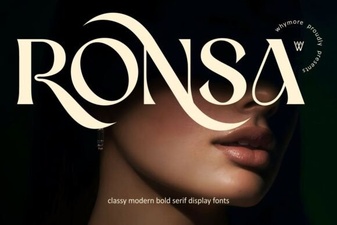 Ronsa Font: Creative Typography for Modern Design
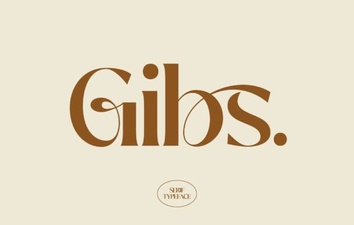 Gibs Font for Bold and Creative Designs
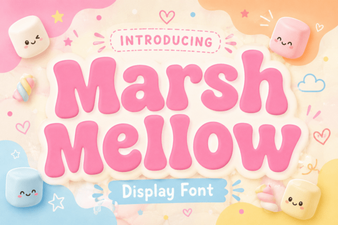 Get Creative with the Marshmellow Font
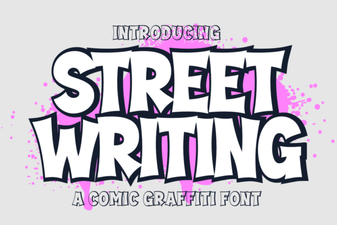 Modern Street Writing Fonts for Design Projects
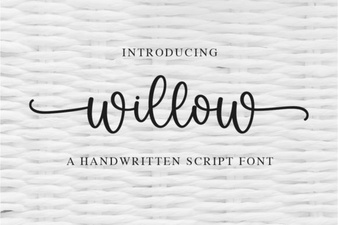 Willow Font: Free Modern Calligraphy Style for Designers
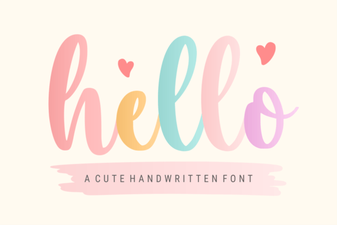 Hello Font: Craft Elegant Typography for Your Designs