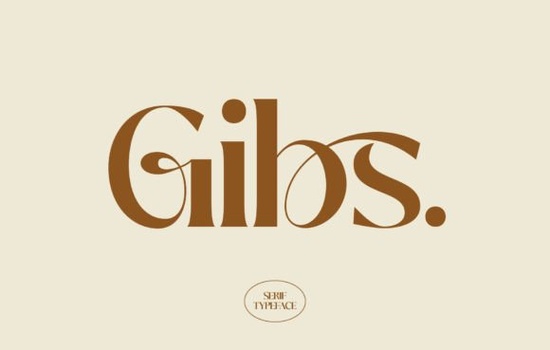
Choosing the right typography can define the entire feel of a project. When you need something that communicates trust and sophistication, a well-crafted serif is often the best choice. Gibs Font is a prime example of this style, blending classic elegance with modern sophistication. Its refined serifs and well-proportioned letterforms make it perfect for branding, editorial work, and luxury designs. This font brings a sense of timeless beauty and grace, enhancing any project with a touch of class.
For designers and small business owners, selecting a typeface is about more than just aesthetics. It is about readability and how the text performs across different mediums. Whether you are creating a logo for a boutique or designing a wedding invitation, the weight and spacing of the letters matter. This specific serif design offers clear lines that remain legible even at smaller sizes, which is crucial for print materials.
What Makes a Serif Font Suitable for Luxury Brands?
Luxury branding relies heavily on perception. Customers often associate serif typefaces with tradition, reliability, and high quality. The subtle variations in stroke width found in this refined typeface help create that premium look without feeling outdated. Unlike stark sans-serif fonts that can feel too industrial, a stylish serif adds warmth.
When building a brand identity, consistency is key. You want a font that works well on a business card just as effectively as it does on a website header. The balanced proportions allow for versatile use. You can pair it with a clean sans-serif for body text to maintain readability while keeping the headings distinct and authoritative. This combination ensures your message is received clearly while maintaining a high-end visual standard.
How Should You Pair This Typeface with Others?
Typography pairing is an art form. You do not want too many competing styles on one page. Since this font has strong character, it pairs beautifully with simpler fonts. For example, if you need a secondary font that shares a similar classic vibe but offers a different texture, you might explore Dream to Berich. Using two serifs can work if their weights are distinct enough to create hierarchy.
Alternatively, for a more modern contrast, try mixing it with a geometric sans-serif. This creates a dynamic look that feels current yet grounded. If you are working on a project that requires a bit more flair in the script department, looking at options like Ronsa could provide interesting complementary styles for signatures or accents. The goal is to ensure the primary font remains the star of the show while the supporting fonts handle the heavy lifting of body text.
Where Can You Use This Design Asset?
The versatility of this font extends beyond traditional print. Print-on-demand sellers can use it for t-shirt designs that require a vintage or upscale aesthetic. It works well for quotes, monograms, and logos. Crafters making physical goods like mugs or tote bags will find that the thick and thin strokes translate well to vinyl cutting and sublimation.
Editorial designers also benefit from this style. Magazines and lookbooks need fonts that guide the eye smoothly down the page. The open counters and clear serifs prevent visual fatigue during long reading sessions. If you are unsure about licensing for commercial projects, always check the specific terms. You can verify availability and license details for Gibs Font directly through the marketplace.
Practical Tips for Implementation
To get the best results from your typography choices, keep these practical steps in mind before finalizing your design:
- Check Legibility: Always view your text at 100% size to ensure the serifs do not blur together.
- Limit Font Families: Stick to two or three typefaces maximum to keep the design clean.
- Test on Backgrounds: Ensure there is enough contrast between the text color and the background.
- Review Licensing: Confirm that your license covers all intended uses, especially for commercial products.
- Adjust Kerning: Manually tweak the space between letters in logos to achieve perfect balance.
By focusing on these details, you ensure that your final product looks professional and polished. Good typography often goes unnoticed when done correctly, but it fundamentally supports the user experience and brand perception.
Learn More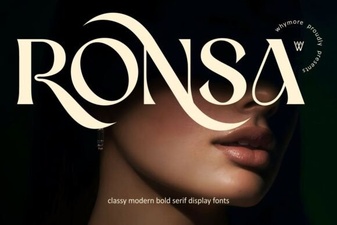 Ronsa Font: Creative Typography for Modern Design
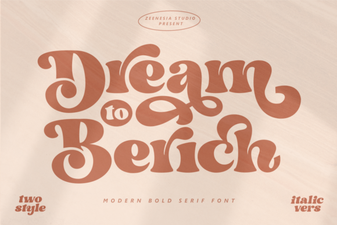 Dream to Berich: a Designer Font for Your Creative Projects
 Get Creative with the Marshmellow Font
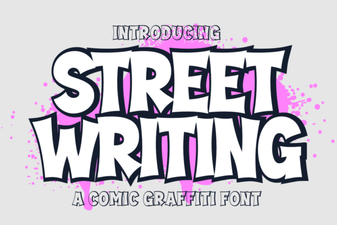 Modern Street Writing Fonts for Design Projects
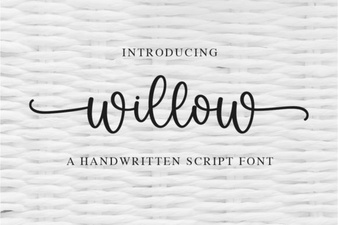 Willow Font: Free Modern Calligraphy Style for Designers
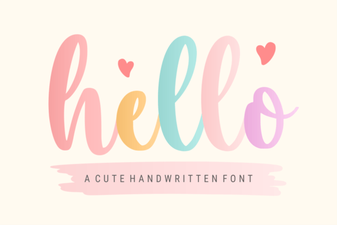 Hello Font: Craft Elegant Typography for Your Designs