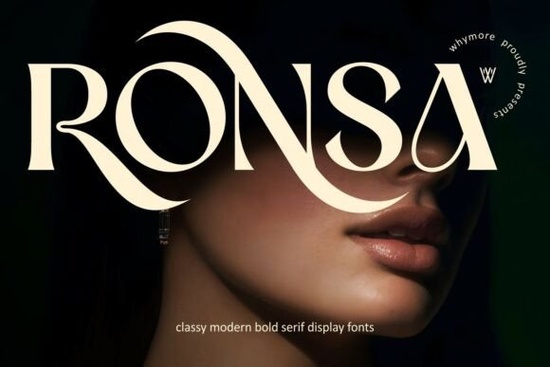
Selecting the right typography for a premium project often comes down to specific details. You need a typeface that commands attention without feeling overly decorative or difficult to read. The Ronsa Font fits this need by combining a modern bold structure with classic serif details. It offers high-contrast strokes that create a luxurious visual impact, making it a strong candidate for designers working on identity projects. Whether you are building a brand from scratch or refreshing an existing look, understanding how this tool works can save you time during the design process.
What makes this typeface suitable for luxury branding?
Luxury branding relies heavily on perception. When a customer sees a logo or packaging, the typography signals quality before they even read the words. This specific font family uses refined curves and a strong backbone to convey stability and elegance. The high-contrast strokes, where thick lines meet thin ones, are a hallmark of traditional high-end fashion and editorial design. By using these elements, you can create a visual identity that feels established and trustworthy.
For small business owners selling premium goods, such as handmade jewelry or boutique clothing, the right font acts as a silent salesman. It suggests that the product inside is worth the price tag. You can explore similar styles in the detailed pages for this serif family to see how different weights might affect your logo. It is important to test the font at various sizes. A bold serif might look perfect on a large storefront sign but could lose clarity on a small social media icon. Always check legibility across all platforms where your brand will appear.
How does it perform in print versus digital projects?
Versatility is key when investing in new design assets. This typeface performs beautifully across both digital and print media, but there are considerations for each. In print, such as business cards, packaging, or editorial layouts, the sharp details of the serifs render clearly on high-quality paper. The ink capture allows the high-contrast strokes to stand out, giving a tactile feel to the design. This makes it an excellent choice for physical products where texture and finish matter.
On digital screens, readability depends on resolution and size. While bold serifs work well for headers and hero images on websites, they can sometimes struggle in small body text on mobile devices. If you need a robust alternative for smaller text blocks, consider browsing other robust options like Gibs that might offer different x-heights. For web use, ensure you have the correct web font files to maintain crisp edges on retina displays. Testing your designs on actual devices before finalizing ensures your audience has a smooth experience regardless of how they view your content.
What are the best pairing options for this style?
Using a bold serif effectively often means knowing what to pair it with. Because this font has a strong presence, it works best when balanced with something simpler. A clean sans-serif font for body copy allows the serif headers to shine without creating visual competition. This contrast helps guide the reader's eye through the content logically. For creative hobbyists making wedding invitations or event posters, mixing fonts adds depth to the layout.
If you want to add a touch of personality, combining this bold structure with a script font can create a dynamic look. The rigidity of the serif contrasts nicely with the flow of handwriting styles. For complementary scripts, you might look at flowing scripts like Dream To Berich to see how they interact. When pairing fonts, limit yourself to two or three typefaces maximum. Too many styles can make a design look cluttered and unprofessional. Keep the hierarchy clear by using size and weight to distinguish between headlines, subheads, and body text.
Who should consider using this typeface?
This tool is particularly useful for print-on-demand sellers and creative directors who need reliable assets. If you create t-shirts, mugs, or wall art, a bold serif can make a simple quote stand out as a graphic element. It transforms text into art, which increases the perceived value of the item. Editorial designers will also find value here for magazine covers or feature articles where a strong voice is needed.
Additionally, small businesses focusing on local marketing can benefit from the clarity this font provides. Flyers, menus, and signage need to be read quickly from a distance. The bold structure ensures that key information is not missed. However, always review the licensing terms before using the font for commercial projects. Most marketplaces offer different licenses for personal and commercial use, so ensure you are covered for the specific products you intend to sell.
Practical Checklist for Using Bold Serifs
- Check Legibility: View your design at 100% zoom and on a mobile screen to ensure thin strokes do not disappear.
- Verify Licensing: Confirm your license covers commercial use if you are selling products with the font embedded.
- Test Pairings: Try at least three different secondary fonts before settling on a final combination.
- Consider Contrast: Ensure there is enough color contrast between the text and the background for accessibility.
- Save Variations: Keep copies of your design in different formats (PNG, SVG, PDF) for various printing needs.
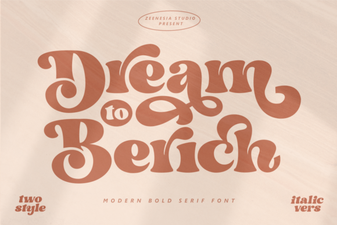 Dream to Berich: a Designer Font for Your Creative Projects
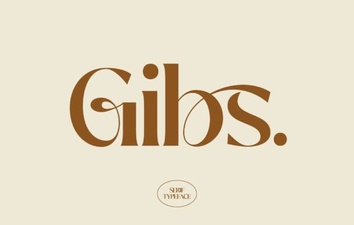 Gibs Font for Bold and Creative Designs
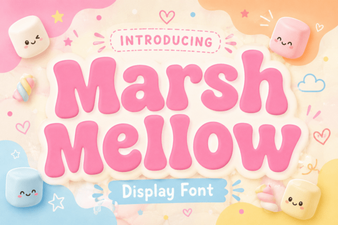 Get Creative with the Marshmellow Font
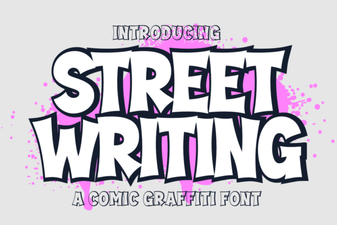 Modern Street Writing Fonts for Design Projects
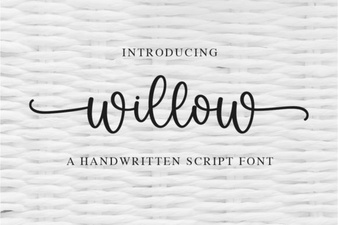 Willow Font: Free Modern Calligraphy Style for Designers
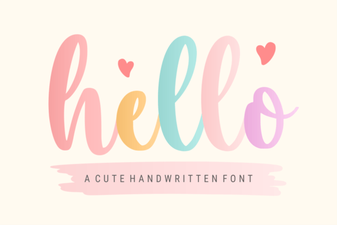 Hello Font: Craft Elegant Typography for Your Designs