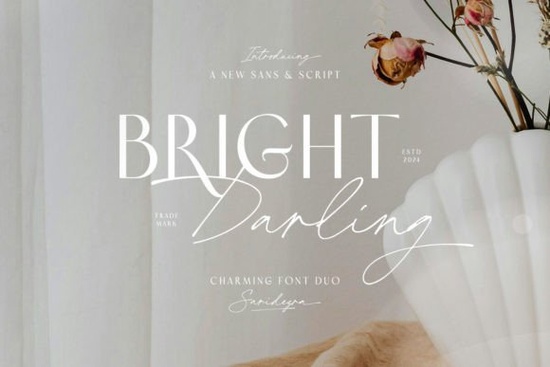
Finding the right typeface combination is often the hardest part of design. You want contrast without clutter, and consistency without boredom. The Bright Darling Duo Font solves this by pairing a sophisticated sans-serif with a graceful script. This combination saves time and ensures visual harmony across your projects. Instead of hunting for two separate files that might not match, you get a pre-tested pair designed to work together seamlessly.
Designers and small business owners often struggle with hierarchy. You need something bold for headlines and something legible for body text. This duo offers modern minimalism in the sans-serif component, which exudes cleanliness. Meanwhile, the script adds a touch of handcrafted elegance. It is perfect for projects requiring a harmonious blend of chic simplicity and refined script. Whether you are making wedding invitations or branding a boutique, this tool brings timeless charm to your projects without feeling outdated or overly trendy.
Who benefits most from this font pair?
Crafters and print-on-demand sellers will find this particularly useful. The script font works well on mugs, t-shirts, and tote bags where a personal touch increases perceived value. The sans-serif complements it by providing clear information, such as dates, locations, or product details. If you usually browse clean modern typefaces for your main text, you will appreciate how this sans-serif fits that aesthetic while offering a matching partner for decorative elements.
Small businesses focusing on lifestyle brands also benefit. Consistency builds trust. When your logo, social media posts, and packaging use the same font family, your brand looks professional. Sometimes, a project needs something bolder. If you are looking for structured lettering for a more industrial look, this might be too soft. However, for beauty, wellness, or creative industries, the softness is a significant asset that appeals to customers.
What makes a font duo better than single files?
Using a duo removes the guesswork. Many designers spend hours testing scripts against sans-serifs only to find the x-heights do not align. Here, the proportions are already balanced. This allows you to focus on layout and color rather than typography basics. It also ensures that your kerning and spacing feel natural between the two styles, reducing the need for manual adjustments.
For those who enjoy variety, mixing styles is key. You might prefer a handwritten feel for notes within a design. This duo provides a polished version of that handwriting style, making it suitable for formal contexts where a casual scribble would look out of place. It bridges the gap between friendly and professional, allowing for versatility in tone.
Where can you apply these typefaces?
The versatility extends beyond paper. Digital designers can use the webfont versions for headings on blogs or online stores. The readability holds up well on screens. For physical products, consider using the script for the main logo mark and the sans-serif for the tagline. This creates a clear visual hierarchy that guides the customer's eye directly to the most important information.
There are times when you need high impact rather than elegance. If you are designing for a gaming clan or a rugged outdoor brand, you might prefer stencil effects instead. But for invitations, quotes, and lifestyle branding, the smooth curves of this duo perform better. It avoids the harsh edges that can alienate a softer audience looking for warmth and approachability.
Technical compatibility is also important for smooth workflows. Most modern cutting machines and design software support standard OTF and TTF files. You can import these into programs like Cricut Design Space, Silhouette Studio, or Adobe Illustrator without conversion issues. This reduces friction in your workflow, letting you move from idea to production faster without worrying about file errors or compatibility glitches.
How do you maintain readability?
Even with a beautiful font, legibility matters. Avoid using the script font at very small sizes. It is best reserved for headlines or large decorative text. Use the sans-serif for anything under 12 points. If you want to see more examples of how this specific pairing is used, you can explore this elegant duo collection further for inspiration on layout and spacing.
Color choice also impacts how the fonts are perceived. Dark text on a light background works best for the sans-serif. The script can handle more complex backgrounds if you add a slight stroke or shadow, but keep it simple for the cleanest look. Testing your design in black and white first ensures the shapes stand on their own before adding color, which helps identify contrast issues early.
Practical Tips for Getting Started
Before you begin your next project, keep these points in mind to ensure the best results. Proper planning prevents common typography mistakes and saves you time during the revision process.
- Check Licensing: Always verify if the license covers commercial use for physical and digital products.
- Test Sizes: Print a sample sheet to see how the script reads at different heights.
- Pair Carefully: Do not add a third font unless absolutely necessary.
- Use Whitespace: Give the elegant script room to breathe without crowding.
- Backup Files: Keep a copy of the original zip file in a separate folder.
By following these steps, you ensure your designs remain professional and polished. The right tools make the work easier, allowing your creativity to lead the process rather than technical limitations.
Try It Free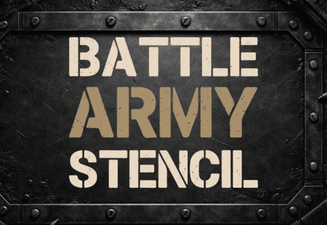 Battle Army Stencil Font: Tactical Typography for Designers
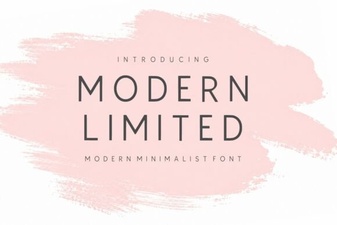 Modern Limited Font Design: Ideas & Inspiration
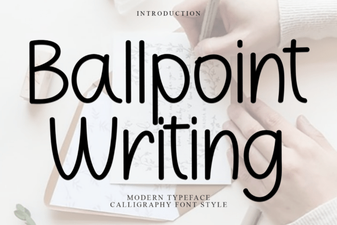 Craft Your Style with Ballpoint Pen Fonts
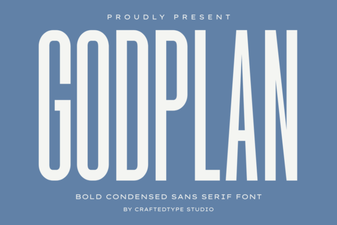 Fonts and Design for Creative Christian Projects
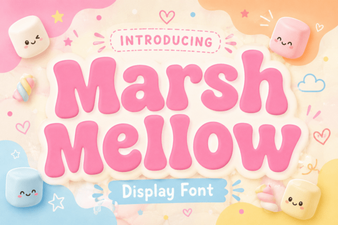 Get Creative with the Marshmellow Font
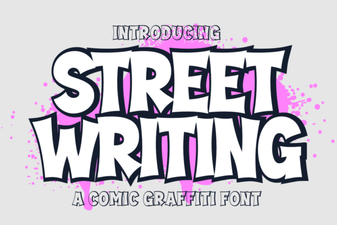 Modern Street Writing Fonts for Design Projects