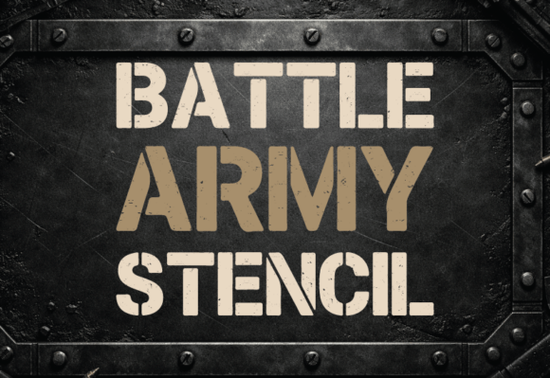
Finding the right typography for military-themed projects or bold branding can be difficult when standard typefaces look too clean or polished. You need something with grit that still remains legible on various backgrounds. The Battle Army Stencil Font offers a solution by combining strong geometric shapes with authentic wear and tear. This typeface is designed to mimic battlefield markings, making it ideal for designers who want to convey strength and durability in their work.
When you are working on designs that require a tactical feel, the texture of the letters matters just as much as the shape. This font includes scratched edges and worn ink details that prevent it from looking like a standard digital stencil. These imperfections help the text blend naturally into distressed backgrounds or rugged materials. Because the structure remains clean underneath the grunge, you do not have to sacrifice readability for style. This balance is crucial for projects where the message needs to be understood quickly, such as safety signage or event posters.
What Makes This Typeface Stand Out?
The core appeal lies in the specific details added to the letterforms. Unlike a standard sans-serif, this option includes intentional distress that suggests history and use. The bold weight ensures that the text commands attention without needing to be oversized. For print-on-demand sellers, this means the design holds up well on t-shirts, hoodies, and caps where ink coverage can vary. The rugged aesthetic also works effectively for gaming thumbnails where competition for viewer attention is high.
Designers often worry that grunge fonts become illegible at smaller sizes. However, the underlying geometry here keeps the characters distinct. You can use it for headlines or subheaders without losing clarity. If you need a cleaner look for body text or secondary information, you might consider pairing it with simpler sans-serif options that do not compete with the heavy texture of the stencil. This contrast helps guide the viewer's eye to the most important parts of your design first.
Where Can You Use This Style Effectively?
There are several industries and hobbies where this specific aesthetic fits naturally. Military enthusiasts, airsoft communities, and survivalist brands often look for typography that reflects their interests. Beyond niche markets, the bold nature of the font makes it suitable for any project requiring high impact. Here are a few common applications:
- Apparel Prints: Perfect for streetwear labels or tactical gear branding.
- YouTube Covers: Grabs attention in crowded video feeds.
- Event Posters: Ideal for paintball tournaments or music events.
- Logo Design: Works well for gyms, security firms, or outdoor companies.
If you are creating a logo, remember that complex textures can sometimes lose detail when scaled down. It is often helpful to keep a clean version of your logo for small icons. You can find more details about the specific file formats and licensing on the product details page. Having the right files ensures you can use the font across both web and print media without technical issues.
How Should You Pair It With Other Fonts?
Using a heavy stencil font requires careful pairing to avoid visual clutter. Since the main typeface is bold and textured, your secondary font should be neutral. A simple sans-serif works well for body copy, but you can also introduce contrast with a script or handwriting style. For example, adding a handwritten element can soften the aggressive look of the stencil, making the design feel more personal.
If you want to maintain a bold theme throughout the project, you might explore other geometric options. Styles similar to bold geometric typefaces can serve as a secondary header that matches the weight but lacks the distress. Alternatively, if you want to create a dynamic poster with mixed styles, a duo font set like script and sans-serif combinations can provide elegance to balance the ruggedness. The key is to ensure the fonts do not fight for attention.
What Should You Check Before Starting?
Before finalizing your design, there are practical steps to ensure the font works for your specific needs. Licensing terms vary between personal and commercial use, so always verify what is allowed for your project. Additionally, test the text on different backgrounds to ensure the distress details do not disappear against busy images.
To help you get started on the right foot, here is a quick checklist for using stencil typography:
- Check Licensing: Confirm if your project requires a commercial license.
- Test Legibility: View your design at 100% zoom and from a distance.
- Contrast Check: Ensure the text stands out against the background color.
- Pair Wisely: Use simpler fonts for supporting text to reduce clutter.
- File Formats: Download OTF or TTF files depending on your software needs.
By following these steps, you can integrate this bold typeface into your workflow effectively. Whether you are branding a new business or creating content for social media, the right font choice sets the tone for your audience. Take the time to experiment with spacing and sizing to get the most out of the rugged texture.
Learn More Modern Limited Font Design: Ideas & Inspiration
 Craft Your Style with Ballpoint Pen Fonts
 Fonts and Design for Creative Christian Projects
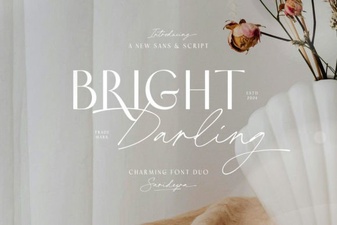 Bright Darling Duo Font: Creative Pairing Guide
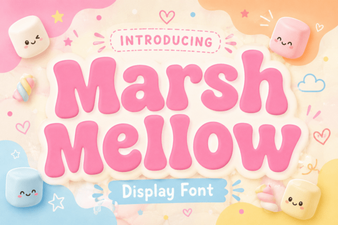 Get Creative with the Marshmellow Font
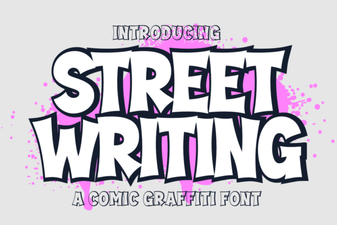 Modern Street Writing Fonts for Design Projects